
Giving virtual sports a clear place in the portfolio
A distinct product identity helps visitors understand the format and helps teams manage it consistently.
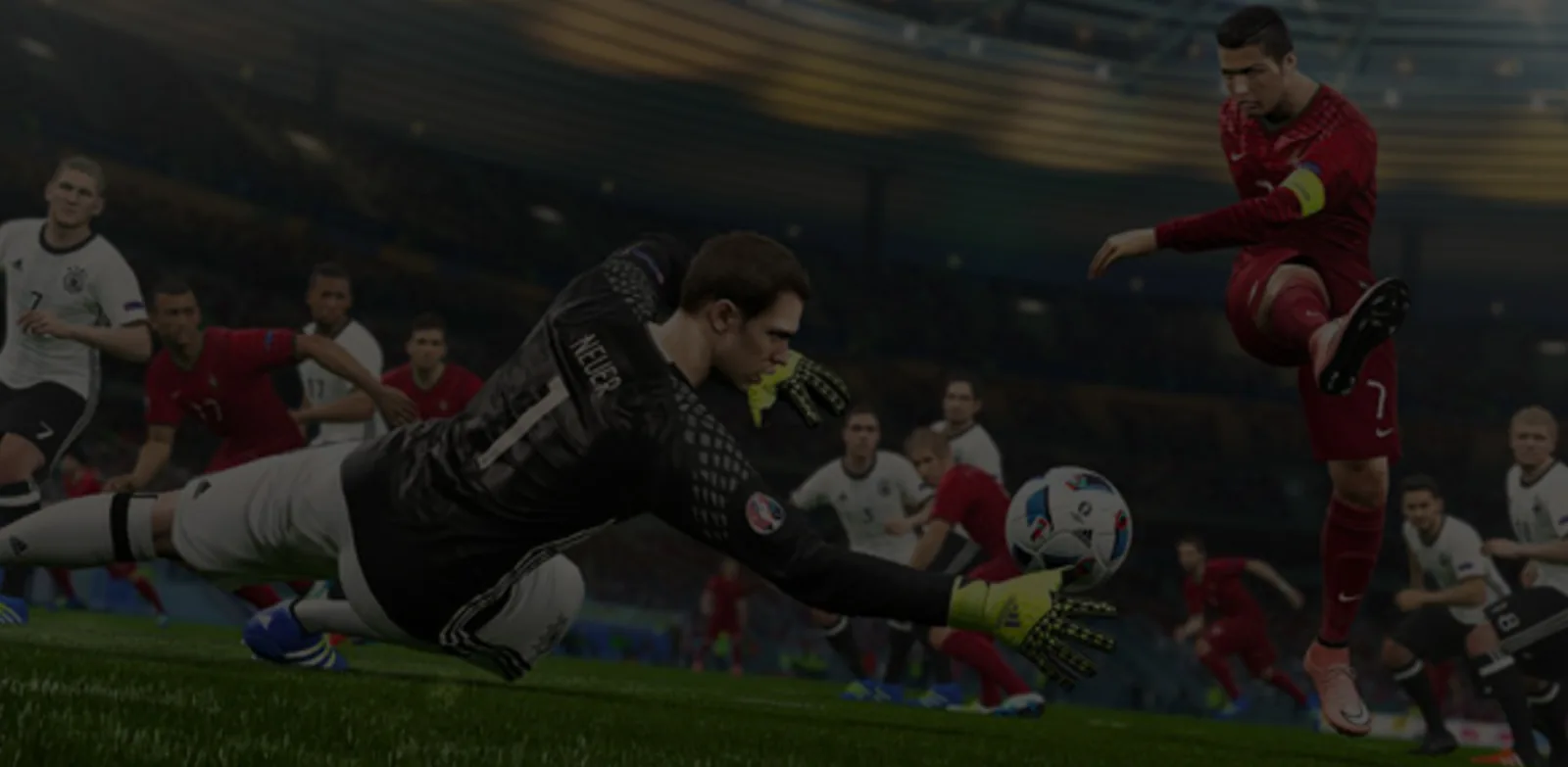
Virtual sports borrow recognisable settings from sport, including football and racing. Their presentation should still make clear that the visitor has opened a virtual event. Familiar visuals are useful; ambiguity about the product is not.
Name the format before the event
Give virtual sports a labelled place in the navigation and keep that identity visible on the event screen. A visitor arriving from a promotional link should receive the same context as someone who entered through the product menu.
GameVision’s Virtual Sports portfolio describes computer-generated sporting events with 3D visuals, including football and several racing formats. Its product page also references management, reporting and branding options. Those capabilities belong in a distinct product brief, even when the wider site shares an account or visual identity.
Make the event sequence understandable
Review how an upcoming event, an event in progress and a completed result are distinguished. A visitor returning after a short interruption should be able to identify the state on screen without relying on an animation they may have missed.
Use text alongside visual indicators, and inspect the route to rules and result information. Ask the provider to explain how the event sequence behaves in the implementation you are evaluating. Do not assume a schedule or refresh interval from another virtual sports product.
Check branding where the action gets busy
A quiet preview frame is an easy place to approve colours and logos. The more useful test is a detailed event state with controls, results and supporting information visible at once. Branding should remain recognisable without reducing the readability of those elements.
Review the same content on desktop and mobile. If video, controls and event information compete for space, decide which elements need to remain visible and how visitors reach the rest. Treat that as part of the product decision, not a finishing task after the artwork is approved.
Include the product in the operating plan
Agree who maintains its catalogue placement, monitors availability and handles questions about an event or result. Check which reports the team can access and what information is needed when an issue reaches the provider.
Virtual sports can sit alongside other sports and gaming products while retaining a clear identity. A good implementation preserves that distinction in navigation, event information and support. The visitor knows what the product is, and the team knows how to look after it.